Every year, as soon as the temperatures rise, it begins again: rosé season. Shelves fill up with salmon-colored wines from all over the world – from Austria, Italy, Spain, or Germany. The selection has never been greater. And yet, there is still no way around one region in this category: Provence.
Anyone wanting to understand why rosé is booming worldwide today must travel to the south of France. For there, rosé was not invented as a summer trend, but perfected over centuries. Provence is considered the oldest wine region in France. The Greeks brought viticulture to the Mediterranean coast over 2,600 years ago, producing light, fresh wines there – long before powerful red wines became the norm in Europe. Today, around 90 percent of Provence's wine production is rosé, more than in any other wine region in the world. This decades-long specialization is one of the main reasons why Provence rosé remains the international benchmark to this day.
Why rosé from Provence tastes different
Many countries produce excellent rosé wines. Often, however, they are created as a byproduct of red wine production or follow a modern market trend. In Provence, by contrast, rosé is the primary goal.
The Mediterranean climate with over 300 days of sunshine a year ensures perfect phenolic ripeness of the grapes. At the same time, the Mistral and sea breezes cool the vineyards, preserving freshness and delicate aromatics. Limestone, shale, and sandy soils give the wines tension, minerality, and elegance.
The result is rosés that not only appear fruity, but above all possess balance: delicate red berries, citrus fruits, Mediterranean herbs, a fine salinity, and vibrant acidity. It is precisely this combination that makes Provence rosé so successful worldwide – not as a simple patio wine, but as a versatile food companion.
A common prejudice is that rosé should be young, uncomplicated, and as light as possible. The best producers in Provence have been proving the opposite for decades.
High-quality rosés possess structure, depth, and aging potential. They often accompany fish, seafood, vegetables, poultry, or Mediterranean cuisine better than many white wines. Especially the top wines, after a few years of bottle aging, show additional aromas of spices, orange peel, dried herbs, and a fascinating complexity.
Clos Cibonne – The cult rosé from Provence
If there is one rosé that enjoys cult status among wine lovers, it is Clos Cibonne. The historic estate between Toulon and Hyères is one of only 18 Cru Classé estates in Provence and has contributed like few others to the rescue of the almost extinct Tibouren grape variety. In the 1930s, André Roux began to consistently focus on this old Mediterranean variety, making it the winery's trademark. While many rosés are aged exclusively in stainless steel tanks, Clos Cibonne follows a completely different path. The wines mature for many months in large, over-a-hundred-year-old wooden barrels under a natural layer of yeast (fleurette). This process gives the wines extraordinary depth, spice, and aging potential.
The Cuvées Tradition, Vignettes, or Caroline are therefore among the few rosés in the world that can easily develop for ten years or more. Instead of simple strawberry aromas, they show dried apricots, blood orange, garrigue, herbs, fine salinity, and impressive length.
Domaine des Peirecèdes – The modern Provence
While Clos Cibonne embodies the historical side of Provence, Domaine des Peirecèdes stands for the modern interpretation of this region. The organic, family-run business combines traditional craftsmanship with precise cellar work. The goal is not the palest possible rosés, but wines full of character, origin, freshness, and drinkability. Particularly impressive is the ability to bring enormous tension to the wine despite the Mediterranean heat. The rosés never seem arbitrary, but combine red berries, citrus fruit, herbal spice, and a fine mineral vein with astonishing elegance.
The fact that this style is winning international acclaim is shown by numerous awards in recent years. Even wines with a high Tibouren content regularly achieve top ratings, underlining the enormous potential of the region.
Why we chose these specific rosés
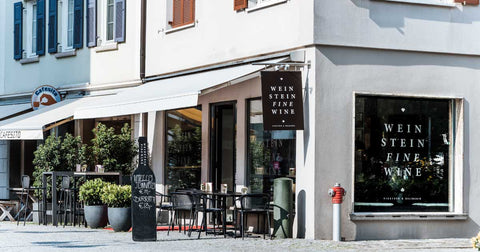
At Weinstein Finewine, we do not look for wines that follow a trend. We look for wines with origin, character, and personality. That is precisely why we consciously chose two producers that could hardly be more different, yet follow the same philosophy.
Clos Cibonne shows the historical soul of Provence: independent, complex, long-lived, and uncompromising.
Domaine des Peirecèdes stands for precision, organic farming, and modern elegance, without losing sight of its origins.
Both wineries impressively demonstrate why Provence rosé remains the international benchmark for dry rosé to this day. Not because of its color. Not because of its image. But because here, origin, climate, grape varieties, and centuries of experience lead to wines that are far more than just a summer drink. They are serious, gastronomic wines – and that is exactly why they have their fixed place in the assortment of Weinstein Finewine.